
State of the Game, October 2026
The 1991 world in numbers, why we moved servers and what it costs to run a world that never stops, what went wrong with the economy and the choice in front of us, better changelogs, what shipped this month, a new website, Corporate Warfare, and how supporters keep it all running.
Thank you for bearing with us over the last few days while we moved A House Divided to new servers. This is the first of what will become a regular monthly update on where the game stands: what is working, what is not, and what we are doing about it.
This month covers the new 1991 world, the server move and why it happened, site performance, the economy and the decision in front of us, how we communicate balance changes, what shipped in October, the apps, the new website, Corporate Warfare and our other games, supporting the studio, the Discord, voting, and your suggestions.
A new world: 1991
The biggest event of the month happened right at the start of it. In early October we closed the 1953 world after 1,329 hourly turns and launched a new one starting in January 1991. Officially this is Iteration 2, but counting every world since the first alpha (Alpha, Beta 1, Beta 2, Iteration 1, and now Iteration 2), it is the fifth world A House Divided has run.
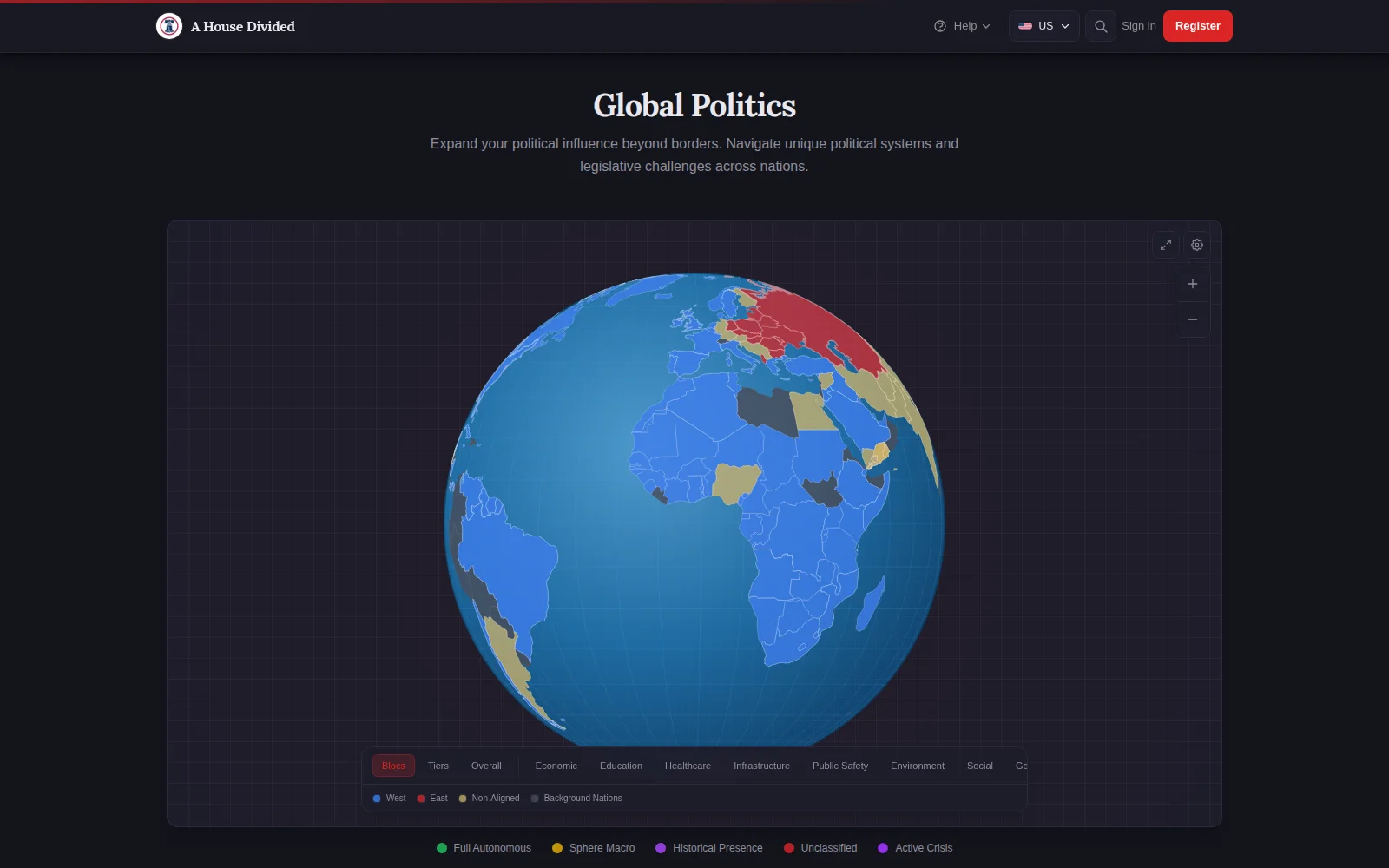
The United States, the United Kingdom and Japan opened with no parties and no officeholders. Every seat, from state legislatures to the presidency, the Commons and the Diet, was empty on the first turn, and every party in those countries was founded by players. Twenty more nations run full economies with their historical party systems, and 143 background countries fill out the rest of the map. Office histories from the 1953 world were archived on the wiki rather than wiped.
Since then, the world has moved fast. One turn covers a game week, so a game year passes in about two real days. Here is where it stands as of this post:
The whole world, every country, company, bank and election, is processed in about seven minutes each hour. The 1991 explorer has every country's opening numbers and how each region leans, if you want to compare where your country started with where it is now.
Why we moved servers
Until last week, A House Divided ran on a managed hosting platform. That kind of service is convenient: you hand it your code and it runs it. Our provider had reliability problems we could not work around, and we had to move urgently. Cost was the other half of the reason, and it is worth explaining because it shapes a lot of decisions you never see.
Managed platforms bill by usage. You pay for every gigabyte of memory your services hold, every minute they hold it, and every gigabyte of data sent out to players. For most websites that is cheap. A House Divided is not most websites:
- The world never stops. Every hour, a turn processes every country, company, election and bank in the game. That takes a large database kept in memory around the clock, not just when people are online.
- The world keeps growing. Every turn adds history, trades, ledger entries and election results. The bigger the world gets, the more memory and storage it needs, so the bill rises month after month even when nothing about the game changes.
- Players watch it live. Pages refresh to show new prices, results and turn progress. Every one of those refreshes is data leaving the server, and that was billed per gigabyte.
- Supporting pieces add up. Logins, Ask, the test server and the turn worker each kept their own memory reserved, even when idle.
Most of that bill was memory, mostly the database, and a large share of the rest was outgoing data. We had already been cutting it where we could, but the basic problem stayed: the cost scaled with the size and age of the world, and it was hard to predict from one month to the next.
The game now runs on dedicated servers that we rent at a fixed monthly price, with the database on the same machine as the game. That gives us much more memory for the money and a bill we can plan around. Keeping the database next to the game also matters more than it sounds: a single turn makes tens of thousands of database requests, and each one is quicker when it does not have to cross a network. The trade-off is that we now run and maintain everything ourselves, which is part of why the first few days were bumpy. Turns are still taking longer than they did before the move; more on that below.
What the move cost in game
A few turns during the move did not run cleanly, and you may have noticed odd numbers as a result:
- For a few turns, lines of credit were not serviced.
- For one turn, the banking step did not run. Loan repayments for that turn were not taken, so that amount is still owed, and savers did not receive that turn's deposit interest.
- Turns took much longer than usual for the first day, and were paused for a short time while we finished the move.
Separately, the October 24 rollback described in the economy section below cost about three hours of player actions. If something in your accounts still looks wrong after reading this, open a ticket and we will check it.
Turn times
Every hour, the turn processes the entire world. Here is how long that took across October:
Show the numbers as a table
| Day (UTC) | Turns | Median minutes | Slowest |
|---|---|---|---|
| Oct 6 | 8 | 7.8 | 12.1 |
| Oct 7 | 21 | 3.3 | 9.8 |
| Oct 8 | 24 | 1.9 | 2.7 |
| Oct 9 | 25 | 1.6 | 2.5 |
| Oct 10 | 24 | 2.3 | 2.8 |
| Oct 11 | 24 | 2.1 | 3.3 |
| Oct 12 | 24 | 2.4 | 4.4 |
| Oct 13 | 24 | 2.8 | 4.6 |
| Oct 14 | 24 | 3.9 | 5.2 |
| Oct 15 | 24 | 3.7 | 5.6 |
| Oct 16 | 24 | 3.8 | 6.5 |
| Oct 17 | 24 | 4.2 | 5.8 |
| Oct 18 | 24 | 4.5 | 5.7 |
| Oct 19 | 24 | 5.0 | 7.8 |
| Oct 20 | 24 | 5.1 | 6.9 |
| Oct 21 | 23 | 5.4 | 8.0 |
| Oct 22 | 10 | 28.7 | 126.5 |
| Oct 23 | 18 | 10.5 | 15.4 |
| Oct 24 | 17 | 9.2 | 13.5 |
| Oct 25 | 22 | 8.4 | 13.2 |
| Oct 26 | 24 | 9.8 | 15.1 |
| Oct 27 | 24 | 6.8 | 10.9 |
| Oct 28 | 4 | 7.6 | 8.6 |
Three things show up in the chart. Turns got steadily slower through the first two weeks as the new world filled up with companies, trades and history, from about two minutes to about five. They jumped during the server move, when five turns took between 39 minutes and two hours. Since then they have come back down to about seven minutes, and we want them lower.
Part of that work is moving things off the top of the hour, so the :00 turn has less to do and the game feels more alive between turns:
- At :15 and :45, share prices and market caps update from the latest market activity, so the stock market moves four times an hour instead of once.
- At :30, a half-step runs: election results, economic growth, inflation and exchange rates move halfway, and the turn at the top of the hour applies the rest.
- Index funds now rebalance on their own turn of the day instead of all at once, and some heavy background work now finishes after the turn instead of holding it up.
- Server maintenance, backups and our test world now run away from the top of the hour so they do not compete with the live turn.
We will keep moving work this way, and the next update will show where turn times stand.
Site performance
The move made many pages slower at first. We found and fixed the main cause, and pages should already feel faster with fewer lag spikes. Some slow spots remain, and finding them is a bit like whack-a-mole: speeding up one page often reveals the next.
If something is frustrating you, please report it. That includes:
- Load times: a page that takes a long time to open or update.
- Rate limits: being told to slow down during normal play. Rate limits are there to stop scripts from flooding the server. If ordinary play is hitting them, the limit is wrong and we will change it.
- Anything else: pages that time out, fail to save, or behave differently than before the move.
Open a support ticket in the Discord or use the support form. Tell us which page, roughly when, and what you were doing. That is usually enough for us to find the cause.
A quick note on tickets: they are for bugs, broken pages, account problems and anything that looks wrong with your money or results. For questions about how the game works or what to do with your company, use Ask or the in-game Ask drawer instead. That keeps the ticket queue clear for problems, so we can get to them faster.
The economy
The market has systemic problems, and they come from mistakes in how we designed it. Most of you have felt the effects. This section explains what went wrong, what we have tried, and the choice that is left.
What went wrong
Two design mistakes sit at the root of it.
The game paid for sales that never happened. To decide how much of each product people wanted, the game used a formula. Part of the demand it produced was not tied to any real buyer with real money. Companies were paid for those sales anyway, so that money came from nowhere.
Shortages could not show in prices. When something ran short, its price was only allowed to rise a little. A hospital in a state that badly needed one looked about as profitable as anything else.
Players and AI companies did what the game rewarded. Industries that looked profitable were built far past what anyone actually buys, and industries that looked ordinary stayed small even where people needed much more. The economy ended up built in the wrong shape:
- Built far too large: media, iron, rare earths, fertilizers, timber and coal. Much of what these industries make has no real buyer.
- Built far too small: food, healthcare, phone and internet services, property services and banking, compared with what people actually want.
Prices do not show any of this. Every commodity sits between about 1.4 and 2.5 times its base price, whether it is in a glut or a shortage. Measured against real buyers, iron is roughly 30 times over-supplied and healthcare roughly 10 times under-supplied, yet their prices are almost identical.
Show the numbers as a table
| Commodity | Price vs base |
|---|---|
| natural gas | 2.48x |
| oil | 2.26x |
| real estate services | 2.16x |
| construction services | 2.14x |
| steel | 2.07x |
| vehicles | 2.07x |
| freight | 2.04x |
| rare earth | 2.00x |
| retail | 1.88x |
| advertising | 1.81x |
| chemicals | 1.79x |
| consulting services | 1.77x |
| fertilizers | 1.75x |
| iron | 1.75x |
| electronics | 1.67x |
| healthcare services | 1.66x |
| plastics | 1.65x |
| coal | 1.63x |
| ordnance | 1.62x |
| energy | 1.56x |
| timber | 1.52x |
| food | 1.51x |
| pharmaceuticals | 1.48x |
| building materials | 1.46x |
| financial services | 1.45x |
| network services | 1.45x |
| software | 1.43x |
This is not a player mistake. If you built a large media company, you read the game correctly. The game was wrong.
What we have already fixed
In mid-October we found that commodity prices were stuck at two to three times base because demand was set as a multiple of the previous turn's supply. Every new plant raised the next turn's demand, so the game always looked short. We fixed that in stages over about a week, and prices stopped climbing. It also confirmed the bigger problem: the demand side of the economy was not real.
The new market
Since then we have been building a market where every sale has a real buyer paying real money:
- Households spend what they earn in wages and profits.
- Governments spend their budgets.
- Companies buy the inputs they actually need.
Shortages are allowed to show in prices, so building what people need pays off. The market only moves money between buyers and sellers; it never creates or destroys it. Governments can still shape the economy through laws, taxes and subsidies, but the foundation underneath is honest.
Why the current economy cannot simply switch over
For the past two weeks our main question has been whether we could move the current world onto the new market without seriously damaging the corporations you have built.
We tested this on copies of the live world, running the real turn code forward under the new market more than thirty times with different settings. The accounting held up in every recent run: no money was created or lost. But under real demand, about four fifths of today's industry is not wanted at current prices. An economy with that much spare capacity keeps shrinking until the excess is gone. In every run, company revenue and wages were still falling by a fifth to a third every six turns when the run ended.
Show the numbers as a table
| Run | Company revenue | Wages paid |
|---|---|---|
| 24 | -23.7% | -36.2% |
| 25 | -21.1% | -33.2% |
| 26 | -28.9% | -39.5% |
| 27 | -22.6% | -31.4% |
| 28 | -19.5% | -31.1% |
| 29 | -24.9% | -31.6% |
| 30 | -19.3% | -30.8% |
The chart shows the last seven runs, which had the most refined settings. Even the best of them was still shrinking at the end.
We added a series of measures to soften the landing: output that follows sales, wages that adjust slowly, retiring idle plants, a steady household income, and more. Each one helped a little and moved the problem somewhere else. None produced a landing that would be fair to people who built in the over-built industries.
On October 24 we tried the switch on the live world with a transition package in place. The first turn under the new rules stopped on a timing problem: a company changed hands while the turn was running, and the new settlement refused to pay out. We rolled the world back that evening. The economy was left unchanged, but players lost about three hours of actions and there was no turn for about five and a half hours. That attempt confirmed what the testing had shown: the current economy cannot be carried across gently.
The two options
Keep the current economy. Every company stays exactly as it is. The problems above stay too. Prices will keep saying little about what is scarce, profits will keep following the old formula rather than real demand, and fixing one industry will keep pushing problems into another. New players will join an economy that is already in the wrong shape.
Reset the economy only. The market starts fresh on the new rules from the first turn. We have tested a fresh start on a copy of the world: the money stays balanced and the economy grows turn over turn instead of shrinking. We are still finishing the tuning.
Two things are certain either way:
- A political reset is not on the table. Characters, parties, offices, elections and laws are not part of this decision.
- There will be advance warning before any economy reset. If we go ahead, we will announce the date ahead of time with a full list of what is kept and what starts over, including how existing companies are handled.
Changelogs and balance changes
We owe you an apology here. Over the last few weeks, the changelog has not kept up with the balance changes we were making. Some changes went out with long, technical notes, some with notes that were hard to connect to what you saw in the game, and some with no note at all until later. When the economy is changing under you, that makes it hard to plan, and it is on us.
From now on, every balance change will come with a short, consistent note that says:
- what changed, in plain language;
- why we changed it;
- who it affects and roughly how much;
- when it takes effect.
The bigger picture will go in these monthly updates, so the changelog can stay short and the reasoning still has a home.
What shipped in October
Not everything this month was about the economy and servers. Some of what reached the live game:
- Version 1.18, "Groups, markets and honest books": corporate groups now count as one for costs and competition, every country can pass competition, subsidiary and foreign investment laws, balance sheets are stricter about buybacks and construction loans, losses carry forward against future tax, and the hourly turn and the twenty slowest pages got faster.
- Research rework: the R&D ecosystem penalty is gone and every tech now improves your plants directly, through labour, inputs or output. Research is about 20% faster, and every tech card shows its value per turn and how long it takes to pay back.
- Splitting rival plants is back. Your marketing strength against theirs sets how many plants you can take and your odds, and the plants move to you intact.
- Negotiated share sales: private companies can now sell shares at any price both sides agree on.
- Immigration: immigration laws now move real arrivals, and there is a new Labour migration law.
- Party legislation: national party chairs can propose legislation through their party's Non-Player Politicians in the national legislature, and national, state and regional chairs can do the same in state legislatures.
- Party titles: parties can rename their chair, vice chair and treasurer.
- Ask: fixed and redesigned for the web, with an opt-in Ask drawer inside the game under experimental features.
- Smaller improvements: the expansion screen shows which markets you can enter now, supply offer lists can be filtered and sorted, and sector pages show the state labour pool.
A House Divided on other platforms
A House Divided is no longer browser-only. Every version below connects to the same live world, so your character, party and companies are the same everywhere.
- iPhone: the app has been submitted to Apple for review, and we hope to see it approved for the App Store in the next few weeks. It adds Sign in with Apple, home screen widgets, and Ask built in.
- Android: Google requires a new app to go through a testing period with a minimum number of testers before it can be submitted to the Play Store, and we do not have enough testers yet. If you have an Android phone, joining the tester program is the most useful thing you can do to get the app into the store, and you can play on your phone in the meantime.
- Windows and Linux: the desktop client is available now. It also includes Singleplayer, where you run your own world at your own pace.

Downloads and the Android tester signup are on one page:
A new website and a new logo
You may have noticed that this site looks different. Lakeside Games has a new logo, a dusk sun over the water, and lakesidegames.net has been rebuilt around it with new type, new colours and a simpler layout.
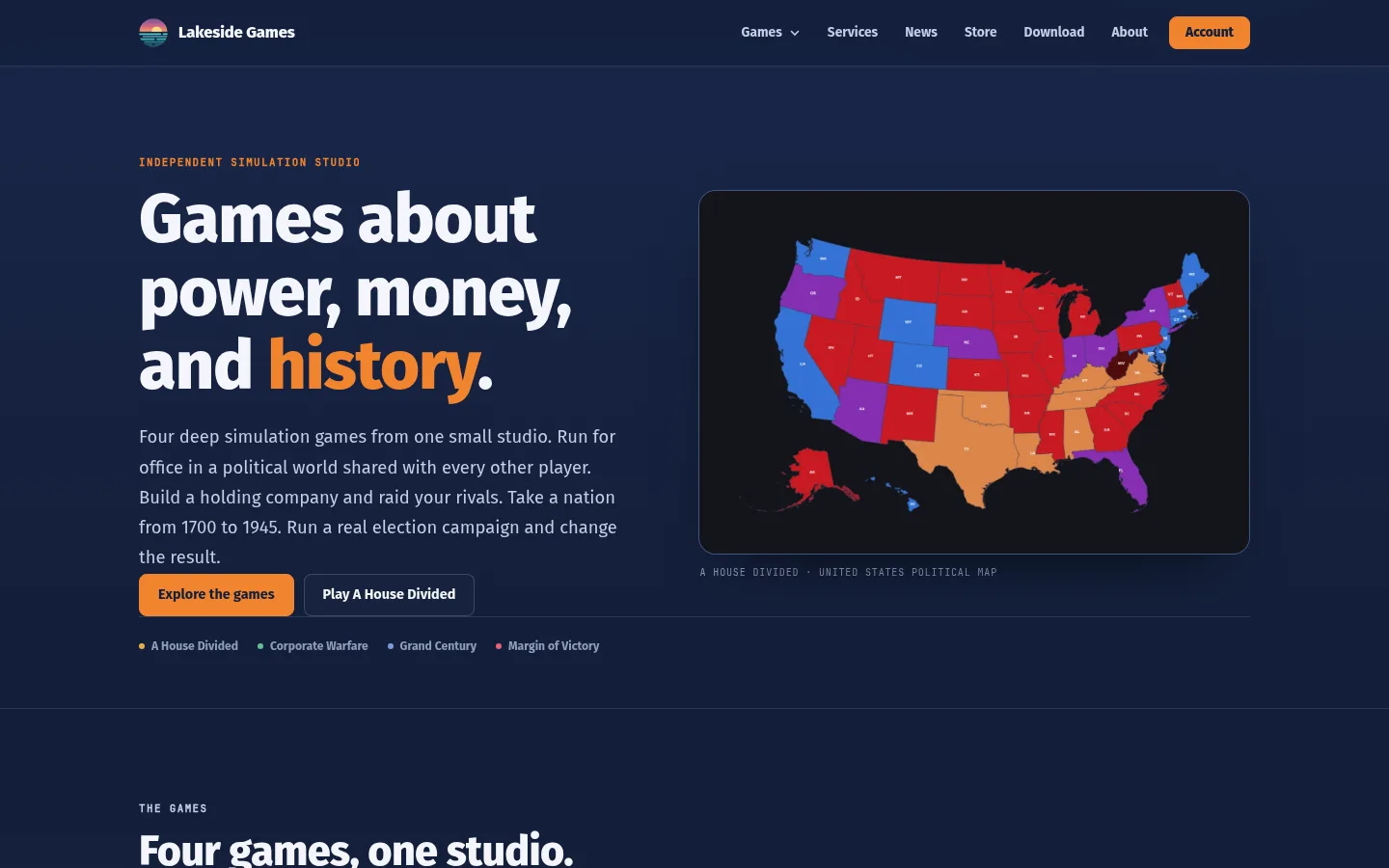
The site is now the home for everything the studio makes, not just one game:
- One page for every game: A House Divided, Corporate Warfare, Grand Century and Margin of Victory, each with its own page.
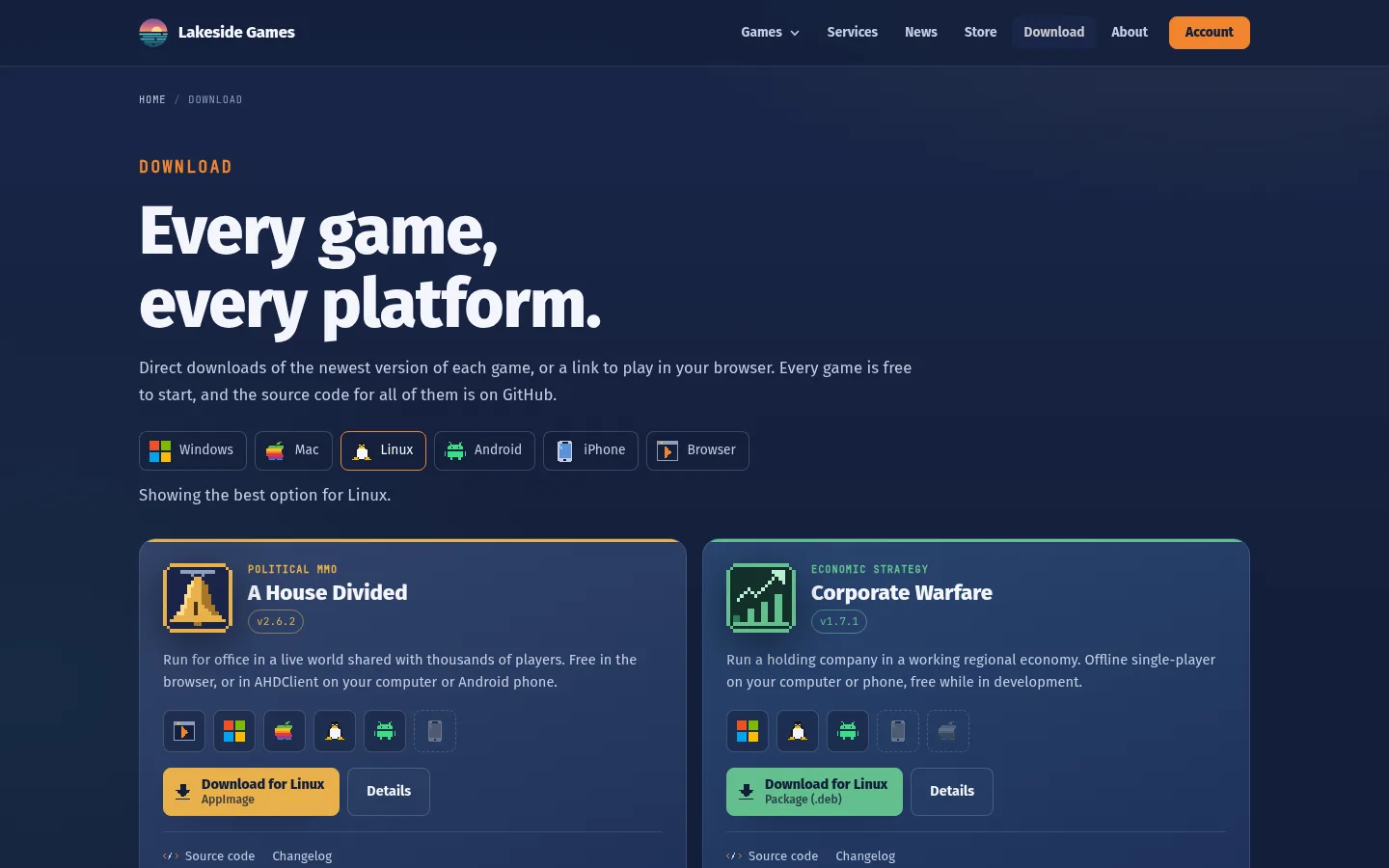
- One download page: it detects your device and offers the right download first, with a page per game for the details. Every download is direct, and every game's source code is linked from it.
- Services: the support form, Ask, the docs and the status page in one place. The support form now uses your Lakeside sign-in, so your ticket is tied to your account from the start.
- News: this post, and every monthly update after it, lives here.
- Supporter wall: a page thanking the people who keep the games running.
A new (old?) game: Corporate Warfare
We have brought back Corporate Warfare, this time as an offline single-player game.
Where it came from
This whole project started as an economic simulation before we pivoted to the political sim that became A House Divided. Corporate Warfare itself first appeared in December 2025 as a multiplayer browser game: players founded companies across US state economies, traded shares on a live stock market, issued bonds, sat on boards, and tried to take each other over. Much of that work, including the stock market, bonds and subsidiaries, later moved into A House Divided.
Why single-player
Some of the economic depth we want to build does not fit a multiplayer web game. In A House Divided, one shared world runs every hour for everyone. Every system has to be fair to hundreds of players at once, fast enough to finish inside the turn, and safe to change in a world people have spent months building. That last constraint is exactly why the economy problem above is so hard to fix.
A single-player game removes those limits. The whole simulation runs on your own device, so it can model every region's workforce, wages and household spending in detail without slowing anyone else down, and it costs nothing to host. If a new version changes the economy too much for an old save, you start a new game instead of the whole community losing its world.
It works in both directions. Lessons from running A House Divided's economy shaped the new Corporate Warfare: money has to come from somewhere, every sale needs a buyer, company value should follow earnings, and location matters for labour and customers. Ideas proven in Corporate Warfare can come back the other way.
What the game is
You play an investor who controls companies, not a single company. You build plants, own your supply chains, list subsidiaries on the exchange while keeping control, form joint ventures, and take over rivals. Rival companies are run by named chief executives with their own styles: some buy up their suppliers, some raid, some stockpile ahead of price swings, and they remember who raided them. Governments change the market rules, a central bank sets rates, and events like pipeline spills, port strikes and harvest failures hit the supply network.
Version 1.7 has four scenarios:
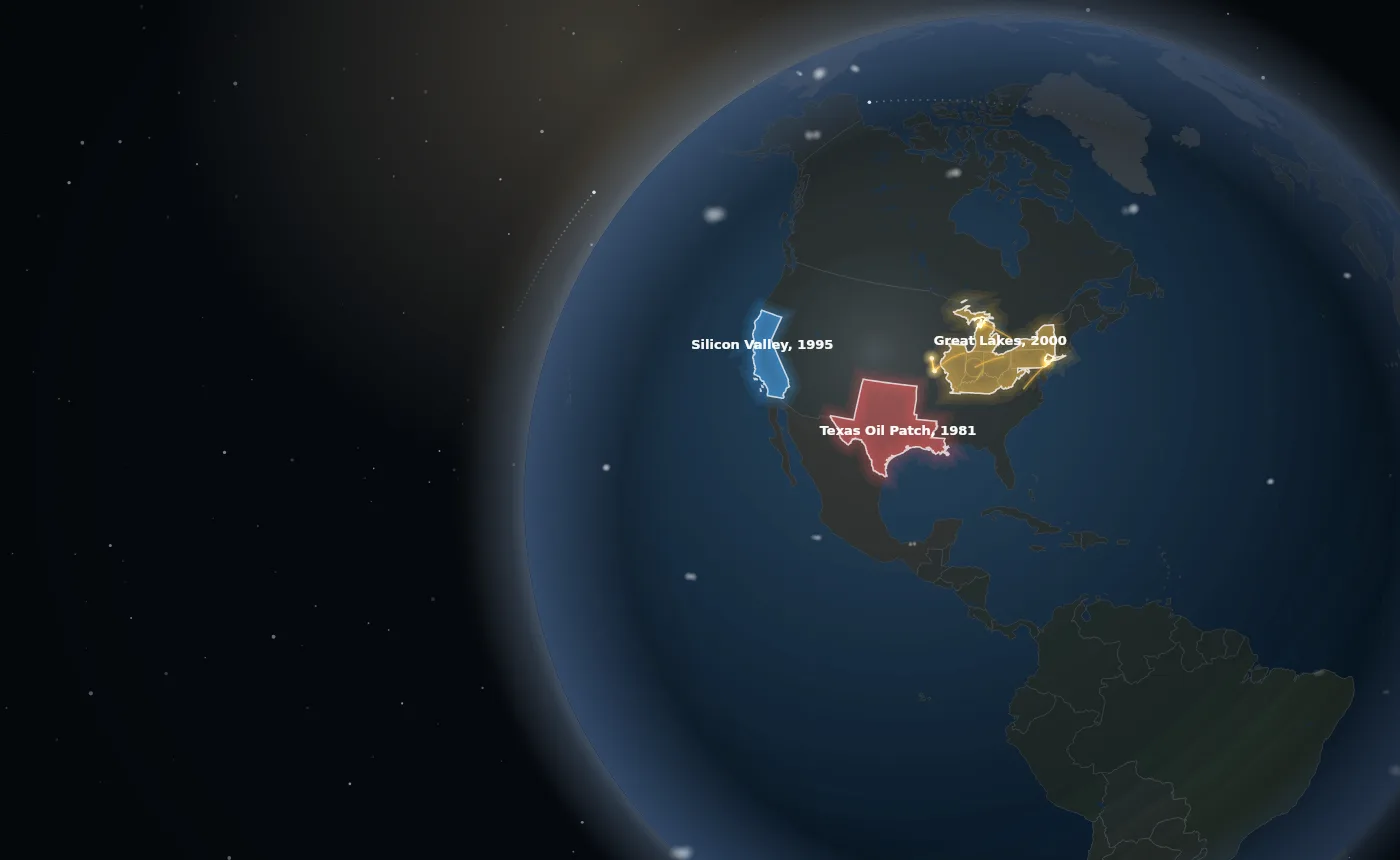
- Great Lakes, 2000: the corridor from Chicago to Buffalo and Pittsburgh, with steel, autos, farms and freight.
- Texas Oil Patch, 1981: Texas, Oklahoma and Louisiana at the top of the oil boom.
- Silicon Valley, 1995: California through the chip slide, the 2000 spike, and the bust.
- Ruhr and Rhine, 1991: Germany, the Low Countries and eastern France, with five currencies and an exchange-rate peg that can break.
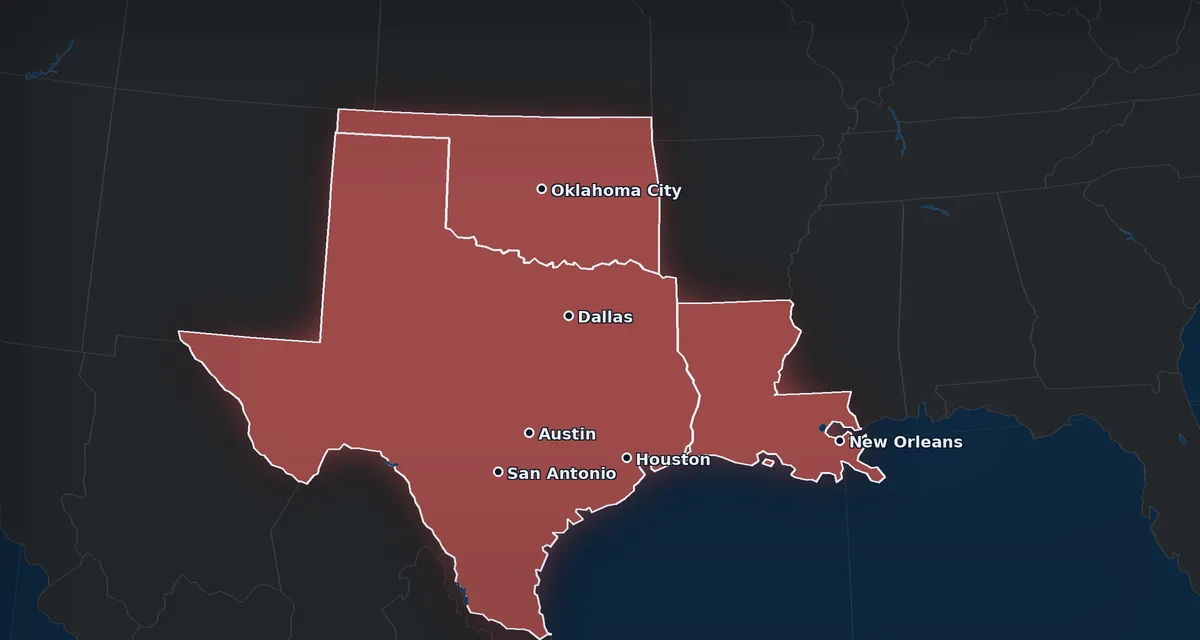
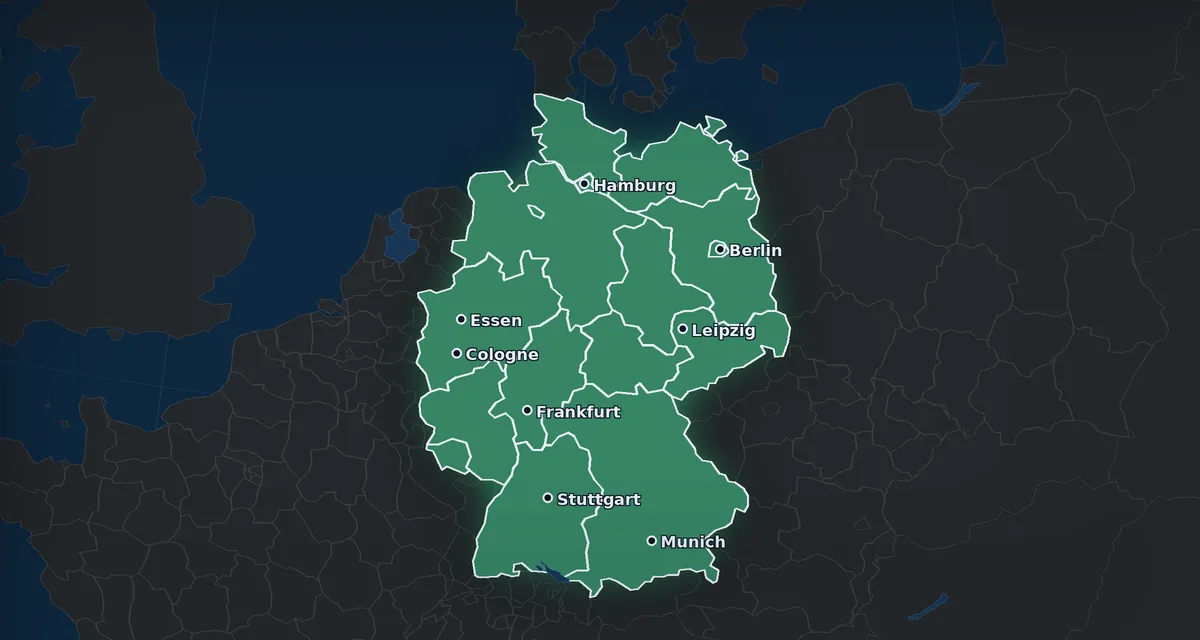
It is free while in development, with builds for Windows, Linux and Android. The iPhone, iPad and Mac versions are waiting on App Store approval. Feedback and bug reports are very welcome. There is more background in Corporate Warfare, reimagined.
A House Divided remains our live game, and everything in the sections above is still being worked on.
Our other games
Two more games share the site and the Discord:
- Margin of Victory is an election campaign game in the browser. You run a real campaign week by week, spending limited time and money against real polling and the events that actually happened. There are 49 campaigns across six countries. US 2024, US 2020 and a daily challenge are free, and the rest come with Supporter+. With a real US election next week, it is a good time to try it.
- Grand Century is a grand strategy game in the browser, with seven historical starts from 1700 to 1945. You take a nation through industry, reform and war.
Supporting the studio
All of our games are free to play, and we want to keep it that way. That only works because of supporters. Supporter plans are what pay for the servers described at the top of this post, and they buy the time to fix things like the economy properly instead of patching around them. If you enjoy the games and are able to, becoming a supporter is the most direct way to keep them running and improving.
Perks never gate the core game. Here is what each plan includes today:
- Supporter, $3 a month: ad-free browsing across A House Divided, a profile border and highlight color, animated profile picture uploads, and cheaper in-game player ads (one free ad every three days).
- Supporter+, $9.99 a month: everything in Supporter, plus A House Divided Singleplayer and Worldsim, every Margin of Victory campaign, the full border set including animated frames, and the best player-ad rate (two free ads every two days).
- Supporter++ (Champion on Patreon), $20 a month: everything in Supporter+, plus renaming a Non-Player Politician once per iteration and your name on the supporter wall.
All plans are on Patreon, billed monthly, and can be cancelled any time. Link your Patreon to your Lakeside account and the perks apply in every game. If you already bought permanent desktop client access or Margin of Victory campaigns, those are yours and keep working.
Rebranding the Discord
The community now spans several games, and running a separate Discord for each would split it. At some point the server will be rebranded as the Lakeside Games Discord. Tickets, the bots, Ask and the other tools will support every game, and part of that is already done. The A House Divided channels are not going anywhere.
The poll
If you have not voted in the poll in the Discord yet, please do. It is very close.
The polls in real life
If you are in the US and eligible to vote, please research the candidates for everything on your ballot and then go vote. Election Day is Tuesday, November 3, 2026. Many states also offer early voting and mail ballots, each with its own deadlines.
These resources are nonpartisan:
- Vote.gov: the official US government site for registering and finding your state's rules and deadlines.
- CanIVote.org: run by the state election officials' association. Check your registration and find your polling place.
- Ballotpedia sample ballot: every race and measure on your ballot, including local ones, with background on each candidate.
- VOTE411: from the League of Women Voters. Personalized ballot guides with candidates' answers in their own words.
- Election Protection hotline, 866-OUR-VOTE (866-687-8683): free help if you run into a problem registering or voting.
Next month
We will post a State of the Game update once a month from now on, here and in the Discord. Next time we expect to cover the economy decision and its timeline, the app store status, and whatever you tell us is still slow.
We also owe you answers on your suggestions. There are about 35 player suggestions that we have not reviewed yet, some going back to September. Before the next update we will go through every one of them, mark each as planned, not planned, or already done, and include a summary in next month's post.
Thank you for sticking with us through the move.